An imaginary committee reviewing the future of civilisation has confirmed that humanity’s most advanced machines are now capable of reproducing the behaviour of a slightly confident wedding guest in 1996.
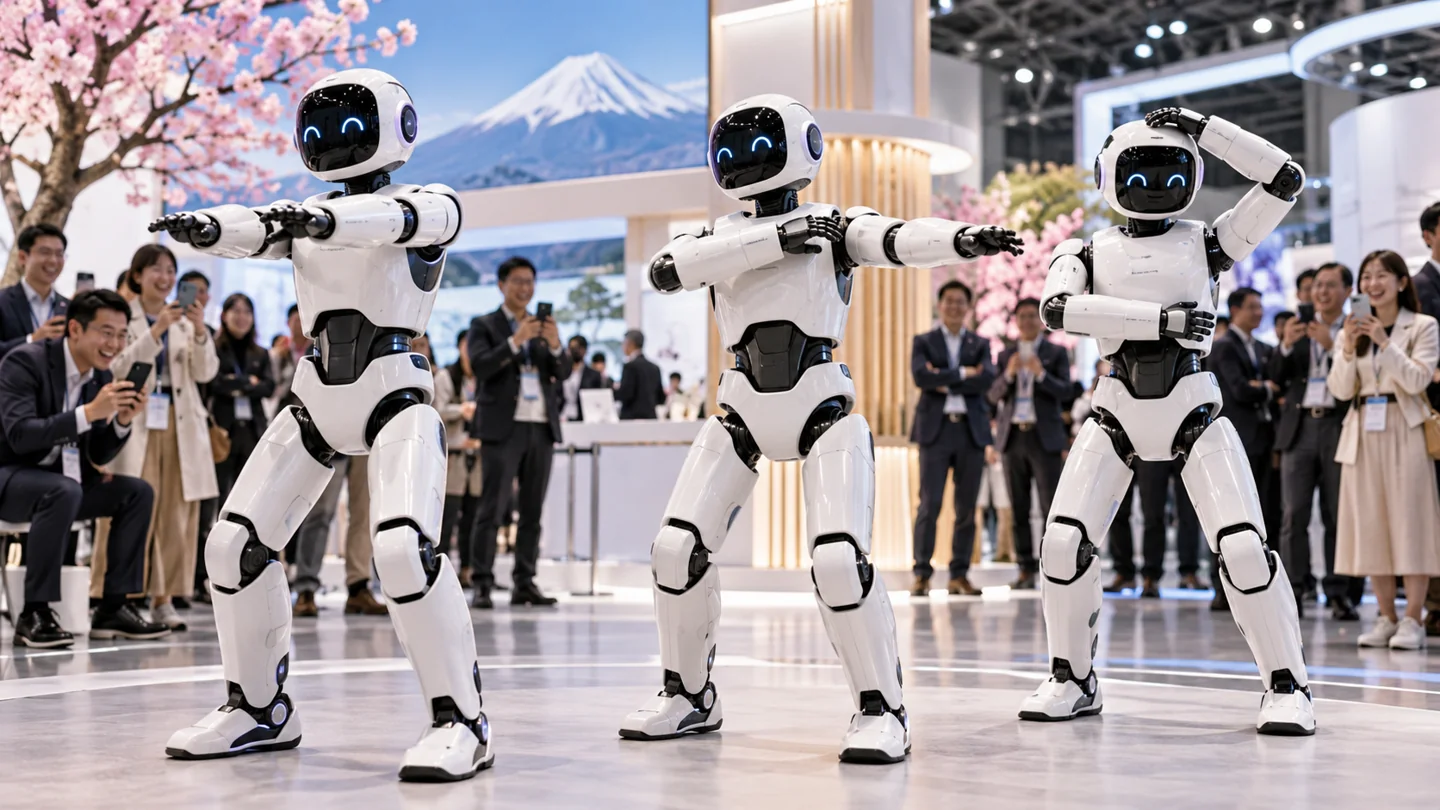
The fictional assessment follows a demonstration in which years of engineering, motion planning and computational progress culminated in several robots putting their hands on their hips at approximately the correct moment.
Researchers described the sequence as a breakthrough in coordinated movement. Members of the public described it as the Macarena, demonstrating the persistent communication gap between the technology sector and people who have attended a reception.
An invented investor asked when the machines would begin replacing workers. Engineers explained that the first affected occupations would be people hired to get reluctant relatives onto dance floors. The addressable market was smaller than expected but unusually resistant to remote working.
The committee considered whether the performance diminished the significance of artificial intelligence. It concluded that humans also possess extraordinary cognitive capacities and routinely use them to argue about dishwasher loading, so the robots appeared to be integrating well.
A follow-up demonstration will involve the machines standing near the edge of the dance floor insisting they do not dance. This is expected to require considerably more social intelligence than the dancing itself.